Europe’s rail network offers an extensive array of scenic journeys that traverse diverse landscapes, from rugged coastlines to alpine peaks. Train travel provides a unique perspective, allowing passengers to observe the gradual transformation of terrain and culture without the hassle of driving or flying. For those planning a European adventure, selecting the right route can elevate the experience from a mere transfer to a memorable part of the trip.
This article explores some of the most picturesque train routes across the continent, highlighting the geographical features, notable sights, and practical considerations for each. It also offers guidance on booking tickets and making the most of the journey. While the routes mentioned are celebrated for their beauty, individual experiences may vary based on season, weather, and train schedules.
The Bernina Express: Switzerland to Italy
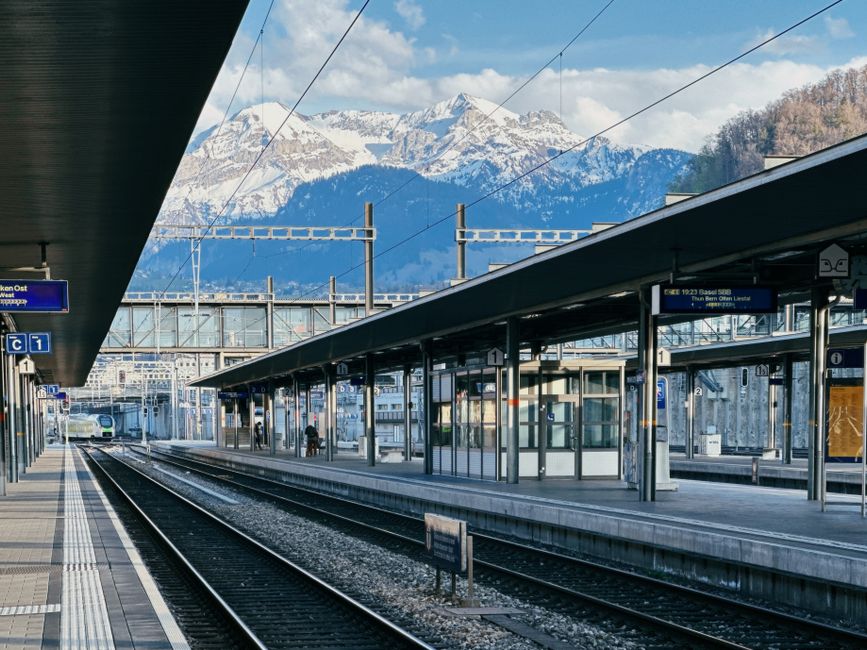
The Bernina Express connects Chur and St. Moritz in Switzerland with Tirano in Italy, crossing the Swiss Alps through the Rhaetian Railway, a UNESCO World Heritage site. The route ascends to the Bernina Pass at 2,253 meters above sea level, offering panoramic views of glaciers, mountain lakes, and the iconic Landwasser Viaduct. Passengers can witness the transition from Swiss German-speaking regions to Italian-speaking valleys, with the landscape shifting from pine forests to palm trees as the train descends into the Mediterranean climate of northern Italy.
Travelers should note that the Bernina Express’s panoramic cars provide large windows and reduced glare for optimal sightseeing, but reservations are mandatory and seats can fill quickly, especially during summer months. An alternative to the panoramic train is the regional train along the same tracks, which runs more frequently and may be included in standard rail passes, albeit without the exclusive panoramic car. Regardless of the choice, the journey offers numerous photo opportunities, including the Morteratsch Glacier and the Brusio Circular Viaduct.
The West Highland Line: Scotland’s Coastal and Mountain Scenery
The West Highland Line in Scotland runs from Glasgow to Mallaig, winding through the Highlands and passing by Loch Lomond, Ben Nevis, and the remote Glenfinnan Viaduct, famous from the Harry Potter films. The route provides views of moss-covered hills, ancient forests, and sea lochs, with the final stretch along the coast of the Atlantic Ocean. The journey is particularly striking in autumn when the foliage turns golden, or in spring when the hills are dotted with wildflowers.
The line is operated by ScotRail, and standard tickets are available, with advance purchase often yielding lower fares. Reservations are not compulsory but are recommended for popular departures, especially during the tourist season. Some services feature carriages with large windows or even open-sided compartments on certain heritage trains, which may offer unobstructed views and a more immersive experience. Travelers might also consider disembarking at intermediate stations like Fort William or Arisaig to explore the local area before continuing.
The Cinque Terre Train: Coastal Italy’s Colorful Villages
The Cinque Terre train runs along the Ligurian coast between Levanto and La Spezia, connecting five cliffside villages: Monterosso, Vernazza, Corniglia, Manarola, and Riomaggiore. This short but vibrant route hugs the coastline, providing glimpses of terraced vineyards, pastel-colored houses, and the deep blue Mediterranean Sea. While the train itself is not a scenic railway in the traditional sense, it offers convenient access to the villages, which are primarily car-free and best explored on foot.
Travelers can hop on and off the regional train, but they should be aware that the route is heavily used by both locals and tourists, especially during summer. It is advisable to purchase tickets in advance or use a regional rail pass that covers the area. The journey between villages is short, but the real scenic reward comes when walking the coastal paths (the Sentiero Azzurro) that connect the towns, offering elevated viewpoints over the sea and villages. Combining train segments with hiking allows for a flexible and immersive exploration of this UNESCO-listed cultural landscape.
The Glacier Express: A Slow Ride Through the Swiss Alps
The Glacier Express journeys between Zermatt and St. Moritz, crossing central Switzerland in about eight hours. Despite its name, it is not an express train; rather, it is designed for leisurely sightseeing, passing through the Graubünden and Valais regions with 291 bridges and 91 tunnels. The train climbs to the Oberalp Pass at 2,033 meters and offers views of the Matterhorn, the Rhine Gorge, and numerous glaciers, which are gradually receding due to climate change.
Reservations are mandatory on the Glacier Express, and seats in the Excellence Class may offer upgraded amenities, such as meals served at the seat. The standard route is covered by the Swiss Travel Pass, but a supplement applies. Passengers should consider the direction of travel: heading from Zermatt to St. Moritz often places the more dramatic scenery on the left side, but both sides provide memorable vistas. The train is popular, so early booking is recommended, particularly in peak seasons like summer and winter.
The Rhine Valley Line: Germany’s Romantic Castles and Vineyards
The Rhine Valley Line runs from Mainz to Cologne along the Middle Rhine, a UNESCO World Heritage site known for its dense concentration of castles, fortresses, and terraced vineyards. The route follows the river, with the train tracks on both sides; the most panoramic side is the left bank (Koblenz-Mainz direction) when traveling south to north, but both banks offer views of the Lorelei rock and the many castle ruins perched on hillsides. The landscape is steeped in legend and history, with each castle having its own story.
Regional trains (like the RB or RE) travel this route without requiring reservations, and they are included in the German Rail Pass and the Eurail pass, though seat reservations are optional. Travelers can easily break the journey at towns like Bacharach, St. Goar, or Boppard to explore the wine villages and sample the local Rieslings. For a more exclusive experience, one might board a vintage train or a wine-tasting train, but these are often seasonal and require advance booking.
Booking Tips and Practical Considerations
When planning a scenic train journey in Europe, several factors come into play. First, consider the type of train: high-speed trains like the TGV or ICE prioritize efficiency over scenery, while regional and intercity trains often provide more opportunities for views. Researching the specific route and train operator is essential to understand whether reservations are needed and whether panoramic cars are available.
Second, decide on a pass or point-to-point tickets. Passes like the Eurail Pass or Interrail Pass offer flexibility and can be cost-effective for multi-day travel, but they often require seat reservations for specific scenic trains, which incur additional fees. In contrast, point-to-point tickets might be cheaper for a single journey, especially if purchased in advance via the operator’s website or apps.
Third, consider the season. While summer offers longer daylight hours and lush green landscapes, spring and autumn might provide clearer skies and vibrant foliage. Winter travel can be magical with snow-covered mountains, but some passes may be subject to weather-related disruptions. Travelers should check the local weather forecasts and any engineering works that could affect the line.
When traveling on scenic routes, it is important to secure the best seat. For many panoramic trains, seats on the right-hand side offer the most iconic views, but this varies by route. A little pre-journey research can enhance the overall experience.
Lastly, pack appropriately for the journey. Comfortable clothing, a camera with a good zoom, and snacks are advisable, as dining cars may be limited or expensive. For long journeys, a neck pillow and a good book can add to the comfort. Keep your camera ready, as unexpected wildlife or dramatic cloud formations can emerge at any moment.