How to Save Money on Food While Traveling
Traveling often brings the challenge of managing expenses, and food can be one of the most variable costs. However, with thoughtful planning and a willingness to explore local options, it is possible to keep food spending under control while still enjoying the culinary experiences a destination has to offer. The approach involves a combination of research, flexibility, and practical habits that can be adapted to different travel styles.
This article outlines several methods to reduce food expenditures during trips, focusing on practical steps that travelers can integrate into their itineraries. From identifying affordable dining options to utilizing kitchen facilities, the strategies discussed aim to provide a framework for making informed choices. The emphasis is on information and methodology, rather than guaranteed outcomes, as the effectiveness of each approach can vary based on individual circumstances and the destination’s characteristics.
Planning Your Food Budget
Before departing, establishing a realistic food budget is a fundamental step in managing travel costs. This involves estimating daily food expenses based on the destination’s cost of living, the planned activities, and personal dietary needs. Many travelers find it helpful to research average meal prices at the destination, which can be done through online forums, travel guides, or blogs. This research provides a baseline for setting a daily allowance that aligns with overall financial goals.
Creating a budget also requires considering the proportion of meals to be eaten out versus those prepared or sourced from grocery stores. For instance, if cooking facilities are available, a larger portion of the day’s meals can be covered by groceries, potentially lowering costs. Conversely, a trip focused on dining experiences might require a higher allocation for restaurants. By predefining a range, travelers can make decisions on the spot without feeling restricted or overspending.
Another useful technique is to track spending during the trip. This can be done using mobile apps or a simple notebook. Monitoring daily food expenses helps in identifying patterns and adjusting spending early on, preventing end-of-trip surprises. It also provides feedback for future travel planning.
Choosing Affordable Dining Options
Selecting where to eat is a major factor in food costs. Often, dining away from main tourist areas results in lower prices and more authentic meals. Restaurants frequented by locals tend to offer reasonable prices since they cater to a resident clientele. Exploring side streets or residential neighborhoods can uncover such places. Online reviews and local recommendations are valuable tools for finding these hidden gems.
Another option is to utilize street food vendors and food markets. These venues frequently provide a wide variety of local dishes at competitive prices. They also allow travelers to sample small portions, which can be a cost-effective way to experience multiple flavors. However, it is important to consider food safety standards, which can vary by location. Travelers may wish to observe hygiene practices and opt for stalls with high turnover to reduce risks.
Lunch menus often cost less than dinner menus. Many restaurants offer fixed-price lunches or set menus that are more affordable than their evening equivalents. Planning the main meal of the day at lunchtime can result in significant savings, especially in countries where lunch is the traditional main meal.
Utilizing Kitchen Facilities
Staying in accommodations with kitchen access, such as hostels, apartments, or bed-and-breakfasts, provides an opportunity to prepare some meals. Even a small kitchenette with a microwave or hot plate can suffice for breakfasts or simple dinners. Cooking a few meals per week can substantially reduce food expenses, as grocery shopping is generally cheaper than dining out.
When cooking, purchasing ingredients from local supermarkets or farmers’ markets allows travelers to experience local produce and specialty items at retail prices. Planning simple meals that use locally available ingredients can be both economical and immersive. For example, a pasta dish with fresh vegetables or a salad with regional cheese can be easy to prepare without specialized equipment.
Another advantage of cooking is the ability to prepare packed lunches or snacks for day trips. This avoids the temptation of expensive tourist-trap restaurants during excursions. By dedicating a short time to meal preparation in the morning, travelers can carry nourishing food for the day, which can be particularly beneficial for outdoor activities or long commutes.
Exploring Local Markets
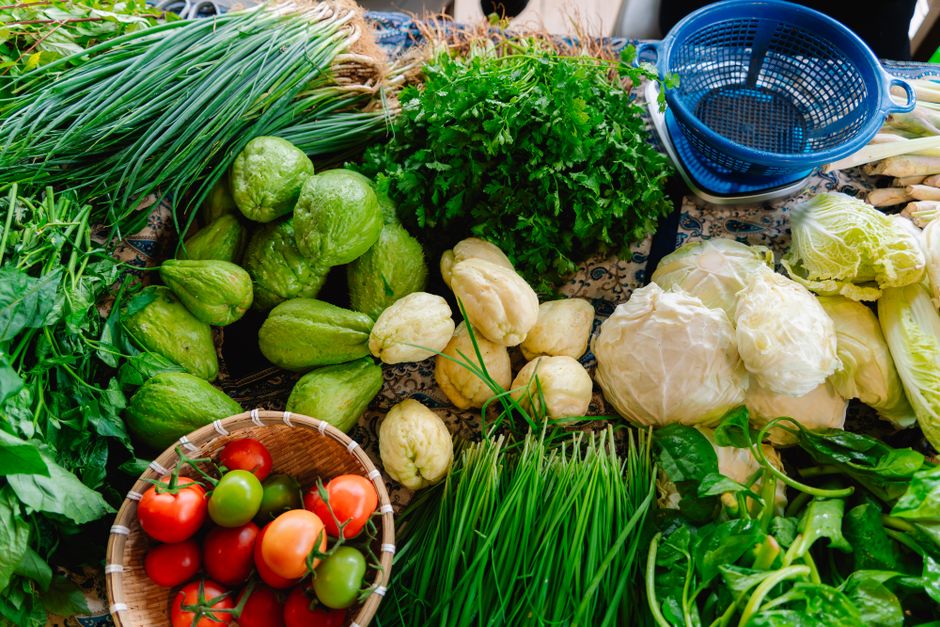
Local markets offer more than just food; they are cultural experiences. Visiting a market provides insight into the everyday life of residents and the region’s agricultural products. For budget-conscious travelers, markets are a source of fresh fruits, vegetables, bread, cheese, and other staples at reasonable prices. These foods can be eaten as snacks, picnics, or incorporated into meals.
When purchasing from markets, it is wise to compare prices with those at conventional grocery stores. Not all market items are cheaper, especially those targeting tourists. Typically, items at the edges of the market or from stalls patronized by locals offer better value. Buying in bulk can reduce costs, but only if the traveler can consume the food before it spoils, considering the duration of the stay and available storage.
Markets also present an opportunity to buy prepared foods, such as roasted meats, baked goods, or local specialties, which can make convenient and affordable meals. For instance, a freshly baked baguette with local cheese and some fruit can serve as a satisfying lunch. Such choices often cost less than a sit-down restaurant meal.
Strategic Use of Grocery Stores
Grocery shopping is not only for those with cooking facilities. Even travelers staying in hotels without kitchens can utilize grocery stores to assemble no-cook meals or snacks. Items like yogurt, granola bars, pre-washed salads, rotisserie chickens, and bread can provide easy meals without any preparation. This approach can be particularly effective for breakfasts or quick lunches.
Another strategy is to visit grocery stores for specific items that are expensive at restaurants or cafes, such as bottled water, beverages, and snacks. Carrying a refillable water bottle and filling it from safe sources avoids the cost of single-use plastic bottles, which adds up over time. Similarly, buying a bag of fruit or nuts at a supermarket can replace pricey cafe snacks.
Timing can also affect grocery prices. Many supermarkets discount prepared foods at the end of the day. Asking staff about markdowns or visiting shortly before closing can yield low-cost meals. However, this requires flexibility and a willingness to adjust plans.
Adopting Money-Saving Habits
Beyond specific dining choices, certain habits can contribute to lower food spending. One such habit is to eat a substantial breakfast, especially if it is included in the accommodation rate. A filling breakfast can sustain energy until a late lunch, eliminating the need for a mid-morning snack. When breakfast is not included, preparing a simple breakfast in the room or buying items the night before from a grocery store can keep costs low.
Another habit is to carry a small stash of non-perishable snacks, such as nuts, dried fruit, or granola bars. This prevents hunger-driven purchases of overpriced snacks at tourist sites. Additionally, being mindful of portion sizes and avoiding leftovers reduces waste and cost.
Travelers can also benefit from taking advantage of happy hours or early-bird specials at restaurants. Many establishments offer reduced prices on drinks and appetizers during certain hours, which can be a more economical way to dine out. Similarly, looking for coupons or discount vouchers in local tourist magazines or apps can lead to savings at some eateries.
Understanding local food customs and pricing can greatly influence a travel budget. A flexible mindset and a willingness to adapt are key components in managing expenses effectively.
Conclusion
Reducing food expenses while traveling involves a deliberate and informed approach. By planning a budget, selecting dining options wisely, utilizing kitchen facilities, and exploring local markets and grocery stores, travelers can contain costs without sacrificing the quality of their experiences. The methods described are not guarantees of fixed results but are practical strategies that can be tailored to individual trips.
Each traveler’s situation is unique, and the effectiveness of these techniques depends on factors such as destination, duration, and personal preferences. However, by incorporating these practices into their travel routine, individuals can develop a resourceful mindset that enhances both financial management and cultural immersion.