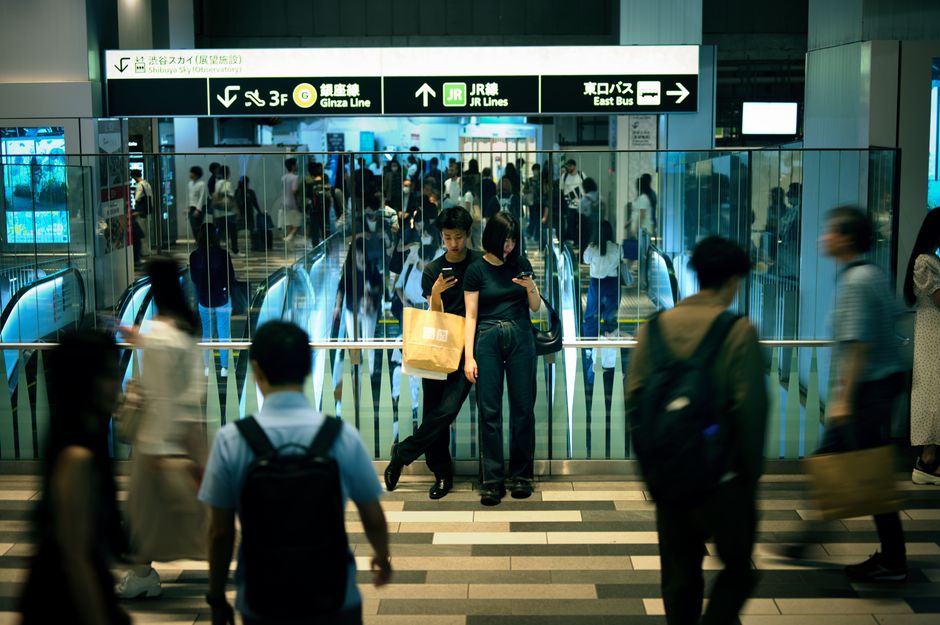
Tokyo’s public transportation network is often regarded as one of the most efficient and extensive in the world. For first-time visitors, the complexity of intersecting subway lines, JR routes, and bus networks can appear overwhelming. However, with a structured approach and a few key tools, navigating the city becomes an intuitive and reliable process. The modern system is built on clear signage, widespread digital integration, and a unified fare system across most operators. This guide provides an overview of essential strategies, focusing on IC cards and mobile applications, which form the backbone of smooth travel in the capital.
The city’s transit infrastructure serves over 13 million people daily, operating with remarkable punctuality. Understanding the general layout—distinguishing between JR East lines, Tokyo Metro, Toei Subway, and private railways—helps in planning efficient routes. While the system is dense, the user experience is designed for clarity: station names are announced in both Japanese and English, ticketing machines offer multilingual interfaces, and maps are color-coded by line. The main challenge lies not in the infrastructure itself but in navigating the sheer number of options and understanding how to pay for rides effectively.
This article outlines the core components of Tokyo’s public transport: the role of IC cards, the selection and use of helpful apps, and practical steps for boarding trains and buses. By breaking down each element, travelers can approach the system with confidence, knowing that the underlying processes are methodical and consistent.
Understanding IC Cards in Tokyo
IC cards are contactless smart cards that function as electronic wallets for public transport and increasingly for small purchases at convenience stores and vending machines. The two most prevalent cards are Suica and Pasmo, both issued by major transit operators, but they are interchangeable on almost all trains and buses in the greater Tokyo area. These cards eliminate the need to calculate individual fares, as the system automatically deducts the correct amount based on the distance traveled when you tap in and out. This not only simplifies transaction handling but also reduces the likelihood of overpaying or having to navigate complex fare charts.
For tourists, the most convenient option is the Welcome Suica, which is specifically designed for short-term stays. Unlike the standard Suica, it does not require a refundable deposit—currently 500 yen—and offers the flexibility of use without the need to return it. However, it has a validity period of 28 days from the date of purchase, which aligns well with typical tourist itineraries. Alternatively, standard Suica and Pasmo cards can be purchased at train stations and provide longer-term usability if you plan multiple visits. The process for obtaining an IC card is straightforward: locate a ticket machine, select the appropriate language, and follow the prompts to purchase a new card or recharge an existing one.
Charging the card is equally uncomplicated, as most stations have machines with multilingual support. The stored value can be replenished in cash or via credit card at some locations, although cash remains the most reliable option. It is advisable to maintain a balance, as cards cannot go into negative value. The cards also offer the convenience of being usable on buses, albeit with a different boarding procedure, as detailed later. Notably, IC cards have expanded beyond transit: many convenience stores, fast-food outlets, and even taxis accept them, making them a versatile financial tool for daily interactions.
Key Apps for Efficient Navigation
While paper maps and signages are helpful, mobile applications provide up-to-the-minute information and route optimization. The two most widely recommended apps for navigating Tokyo’s transit are Google Maps and Navitime for Japan. These apps integrate timetables, real-time delays, and transfer guidance, reducing the cognitive load on travelers. They also factor in walking time between platforms, an essential detail when connecting through large stations like Shinjuku or Tokyo Station. Using these tools, one can input a destination and receive multiple route suggestions, each displaying travel time, cost, and the number of transfers.
Google Maps is familiar to many and offers seamless integration with local data. It provides turn-by-turn walking guidance within stations, which is particularly useful for exits that require navigating through complex underground passages. For instance, the app directs you to specific station components like the Yamanote Line platform or an exit number, thereby minimizing confusion. However, real-time arrival data may occasionally lag, especially during peak hours. In contrast, Navitime for Japan, a specialized app, pulls data directly from transit operators, ensuring higher accuracy for bus and train schedules. It also includes features like station interior maps and walking routes to more obscure points of interest, which can be a game-changer for travelers.
Another useful category of apps includes those that provide offline maps, such as MAPS.ME, which can be downloaded in advance. This is beneficial when cellular connectivity is unavailable or costly. While these apps do not feature transit routing inherently, combining them with the aforementioned tools ensures you always have a reference. It is prudent to download the necessary apps before arrival and become familiar with their interfaces, as navigating a new app in a foreign country can add unnecessary stress. Practicing with a simulated trip helps in building confidence and understanding the flow of information.
Mastering the Metro System
Tokyo’s metro comprises two main networks: Tokyo Metro and Toei Subway, together operating over 280 stations. Their integration is seamless in terms of transfers, though fares are calculated based on the operators used. A single fare covers a journey on either network, but crossing from one to the other on a single ride may incur additional charges. This nuance is automatically handled by IC cards, but if riding with a paper ticket, you might need to purchase a transfer ticket. Most travelers will find IC cards eliminate this concern entirely.
When entering a station, look for the clearly marked ticket gates. The card reader is positioned on the right side for entering and the left for exiting, a standardized layout that users can quickly adapt to. Simply touch your card on the reader without taking it out of a wallet or bag, provided the wallet is not excessively thick. Passing through, the system deducts the fare from your balance. On the platform, recognize the line color and train type—mostly each line has a distinct color, and trains may be rapid, express, or local. While local trains stop at every station, express trains skip smaller ones. IC cards automatically account for the correct fare regardless, but knowing which train to board saves time.
During rush hours, which typically occur between 7:30-9:00 AM and 5:30-8:00 PM, platforms can be crowded. One common strategy is to board the recommended car indicated by signs, as they often align with the nearest transfer corridors. Electronic signs display train arrival counts and destination in multiple languages. If confused, do not hesitate to consult station staff, who are generally helpful and often have limited English proficiency but can assist with basic queries. Transliteration of station names in English and Japanese helps in cross-referencing, particularly when using apps.
Navigating Tokyo’s Bus Network
While trains and subways handle most long-distance travel, buses fill the gaps and serve areas not directly connected to rail lines. Tokyo’s bus network is extensive, comprising local and regional routes operated by Toei and various private companies. Buses are especially useful for reaching destinations like Roppongi Hills or certain museums that are not adjacent to metro stations. Understanding how to ride a bus is slightly different than on trains due to boarding and payment procedures.
Typically, buses in Tokyo have a flat fare (around 200 yen) for local routes, while some have distance-based fares. The rule of thumb is to board from the front door and pay when alighting, or board from the rear and take a numbered ticket, depending on the bus type. Buses with flat fares usually require payment upon exit, either by cash or IC card. On buses with variable fares, you must take a numbered ticket upon boarding and then pay the corresponding amount based on the display at the front. However, using an IC card simplifies the process: you tap when boarding and again when exiting, and the system automatically calculates the correct fare.
To ensure you get off at the correct stop, it is advisable to use an app like Navitime, which provides real-time notifications for upcoming stops. Buses announce the next stop and often display it visibly. Press the stop button when you are ready to alight. While buses may appear infrequent compared to trains, especially during off-peak hours, they remain a reliable option for connecting to rail hubs. A helpful tip is that the bus route maps and stops are often in Japanese, so having your destination written in Japanese or checking an app beforehand can prevent confusion.
Effective Route Planning and Transfer Strategies
Proper route planning can significantly reduce travel time and stress. Transit apps provide the fastest route, but sometimes a less obvious path might offer a more comfortable journey, for instance, one that avoids multiple staircase climbs or imposes less congestion. When evaluating routes, consider factors such as the number of transfers, the total walking distance, and the potential for delayed trains. For long distances, it may be efficient to use JR lines, which often run above ground and provide scenic views of the city. Conversely, for short hops, a bus may be quicker than descending into a metro station.
A common transfer point is a major terminal like Tokyo Station or Shinjuku Station, where over ten lines converge. To minimize confusion, plan transfers to stay within the same operator or follow clear signage, as the color coding and English guides are consistent. When changing lines, it is wise to allocate extra time for walking, as stations are vast and sometimes require 10-15 minutes to reach a distant platform. It is also worth noting that some stations have separate gates for different operators, forcing you to exit and re-enter, which may incur an extra charge. IC cards handle this gracefully, but planning apps often indicate whether a transfer requires going through gates.
For an efficient process, travelers should aim to travel during off-peak hours, if possible, not only for comfort but also to avoid complexities such as long queues at ticket gates. During major events or holidays, extra congestion may occur, and it is prudent to check for service changes via operator websites or social media. Most importantly, adopting a calmer mindset reduces the risk of mistakes. The system is designed with redundancy, so even if you board the wrong train, the map allows recovery without significant loss.
Beyond the immediate scope of navigating, adopting a flexible approach to transit is integral to enjoying Tokyo. By familiarizing yourself with IC cards, leveraging mobile apps, and understanding the nuances of the metro and bus systems, you can move through the city with ease and adapt to unexpected disruptions. These tools and strategies transform a potentially overwhelming experience into a seamless part of your travel journey.